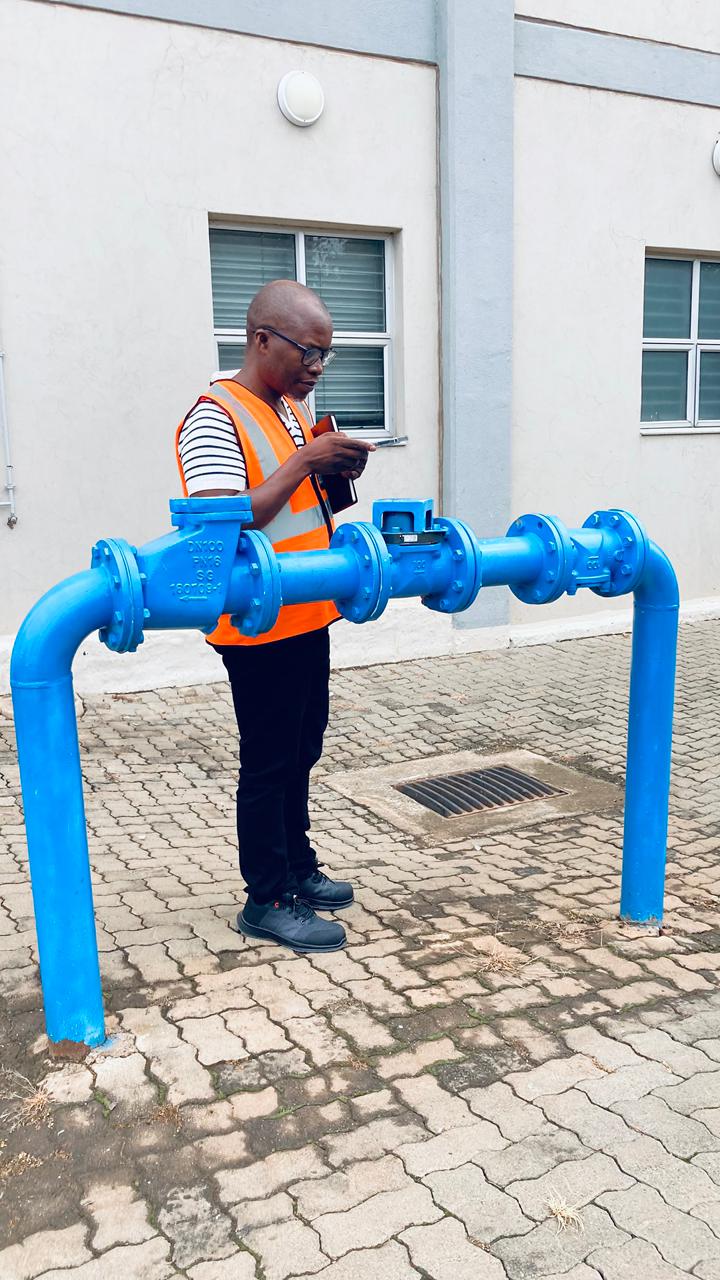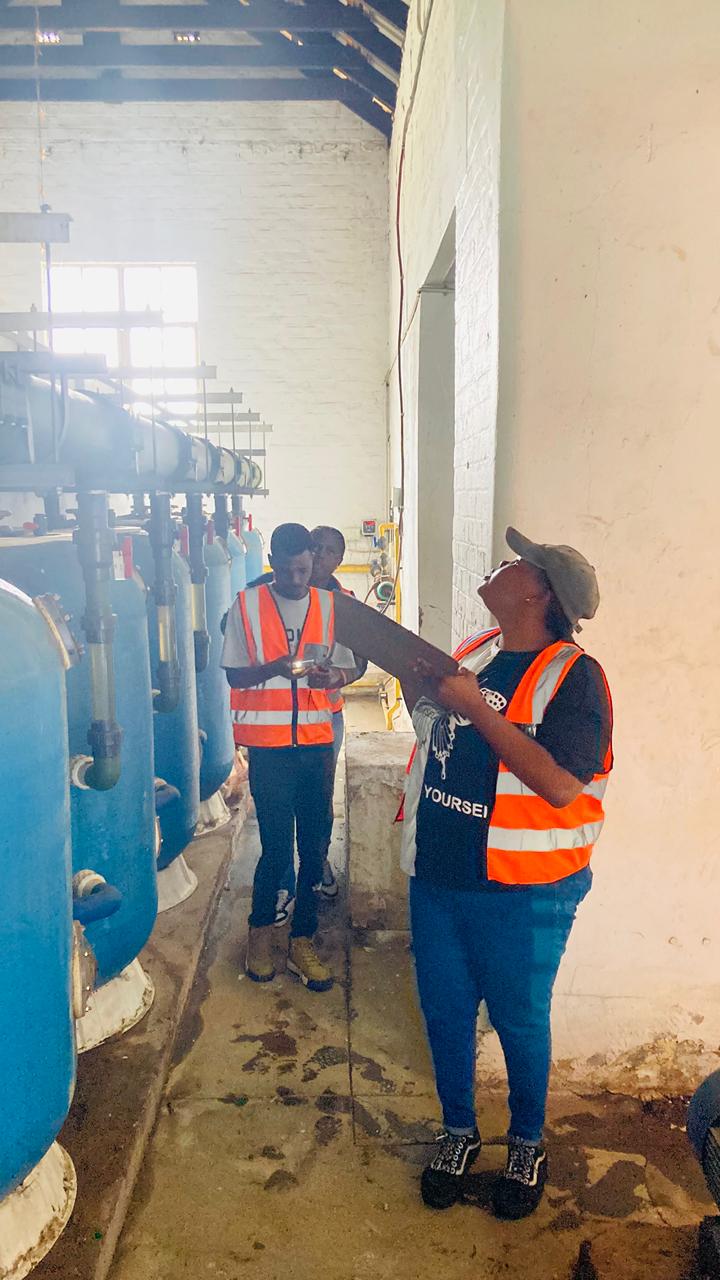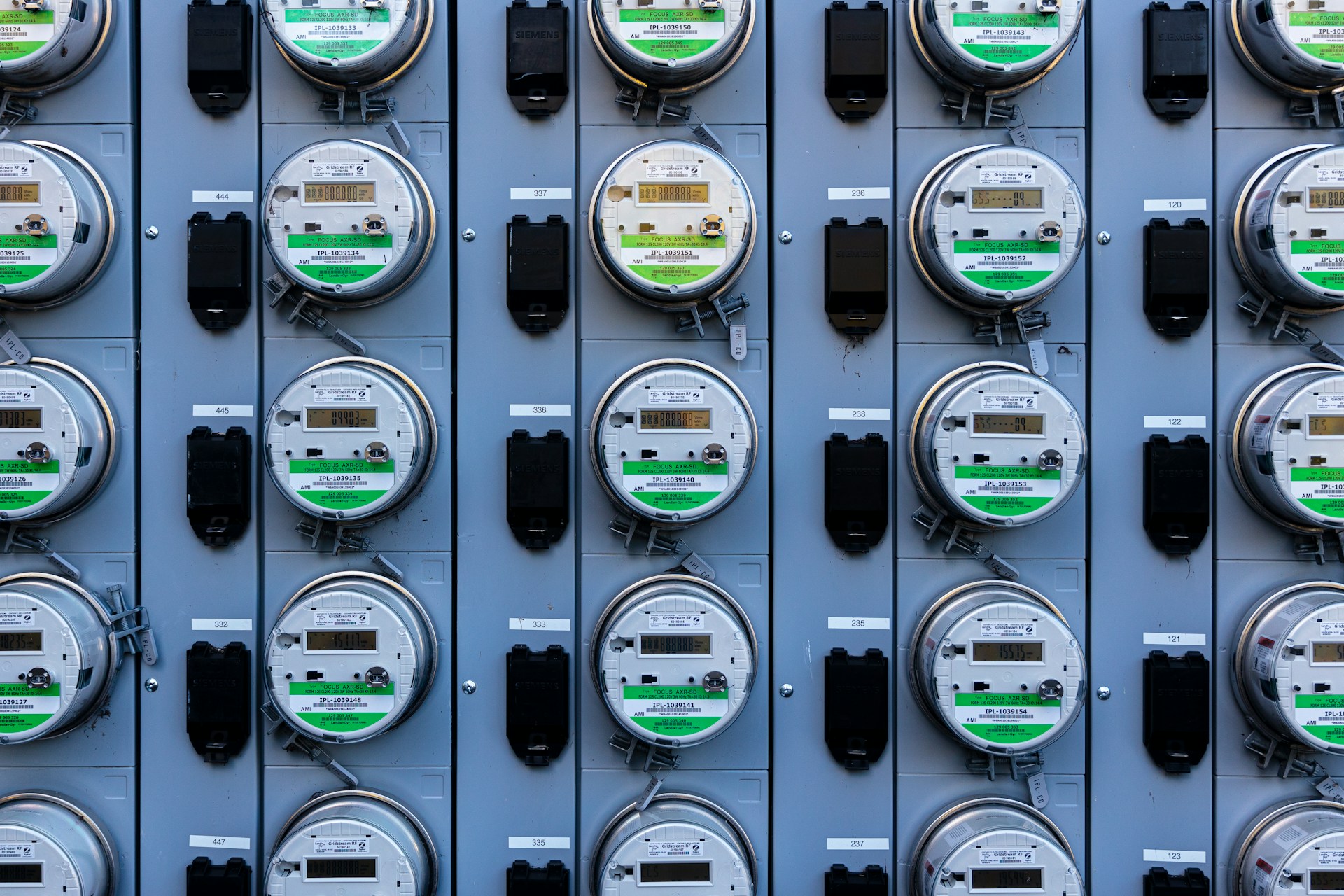
Efficiency is not a once-off intervention. It is a controlled system. ISO 50001. RECP. Continuous calibration. Sustained performance.
Efficiency is not a once-off intervention. It is a controlled system. NegaWatt implements structured Energy Management Systems (EnMS) aligned with ISO 50001, incorporating Energy Management Optimisation and Resource Efficient Cleaner Production (RECP) strategies.
Every EnMS engagement is grounded in measured data — establishing a verified baseline, setting targets, and continuously calibrating performance against those targets. The result is sustained energy cost reduction, not a one-time saving.
ISO 50001 is the international standard for Energy Management Systems. It provides a framework for organisations to establish, implement, maintain, and improve energy performance through a structured, data-driven approach — the Plan-Do-Check-Act (PDCA) cycle applied to energy.
The outcome: Organisations implementing ISO 50001-aligned EnMS typically achieve 10–30% reduction in energy consumption within the first three years through systematic management and continuous improvement.
The Plan–Do–Check–Act Cycle
Set energy objectives, targets, and action plans based on baseline data
Implement energy efficiency measures and operational controls
Monitor, measure, and analyse energy performance against targets
Take corrective action. Review and improve the EnMS continuously
RECP is a methodology for improving the efficiency of production processes while simultaneously reducing negative environmental impacts. Applied alongside ISO 50001, it creates a dual outcome: reduced energy costs and reduced waste generation.
NegaWatt integrates RECP principles into all Energy Management Optimisation engagements — ensuring that efficiency improvements address the full material and energy value chain, not just electricity consumption.
RECP Principle: Prevent waste and emissions at the source rather than treating them at the end of the process. Efficiency gains compound over time.
Reduce energy consumed per unit of output through system optimisation and behavioural change.
Identify and eliminate water wastage in production and support processes.
Reduce raw material consumption and waste generation through process optimisation.
Quantify and reduce greenhouse gas emissions as a direct outcome of efficiency improvements.
NegaWatt specialises in the forensic analysis and optimisation of energy-intensive industrial systems — where the greatest losses, and greatest recoveries, occur.
Each system optimisation engagement begins with measured baseline performance data, followed by forensic diagnostic analysis to identify loss points, inefficiency ratios, and financial leakage — before any intervention is recommended.
A structured Energy Management System produces measurable, auditable, and sustained results.
A measured, documented starting point that makes every subsequent improvement trackable and verifiable.
Ongoing performance tracking against established targets — detecting variance before it becomes structural loss.
Regular recalibration of systems and targets as operations evolve — maintaining efficiency gains over time.
Full documentation and processes structured for ISO 50001 certification and third-party verification.
Energy savings expressed in financial terms — kWh, GJ, and Rand — for direct impact on the income statement.
Energy improvements quantified in tCO₂e — feeding directly into GHG reporting and carbon tax compliance.
Other Services
Efficiency is not a project.
It Is a Controlled System.