← All Services Service 02 · Technical Diagnostics

Energy Audits

Every inefficiency has a measurable origin. Three levels of audit precision. Quantified outputs. Financial impact analysis. No assumptions.

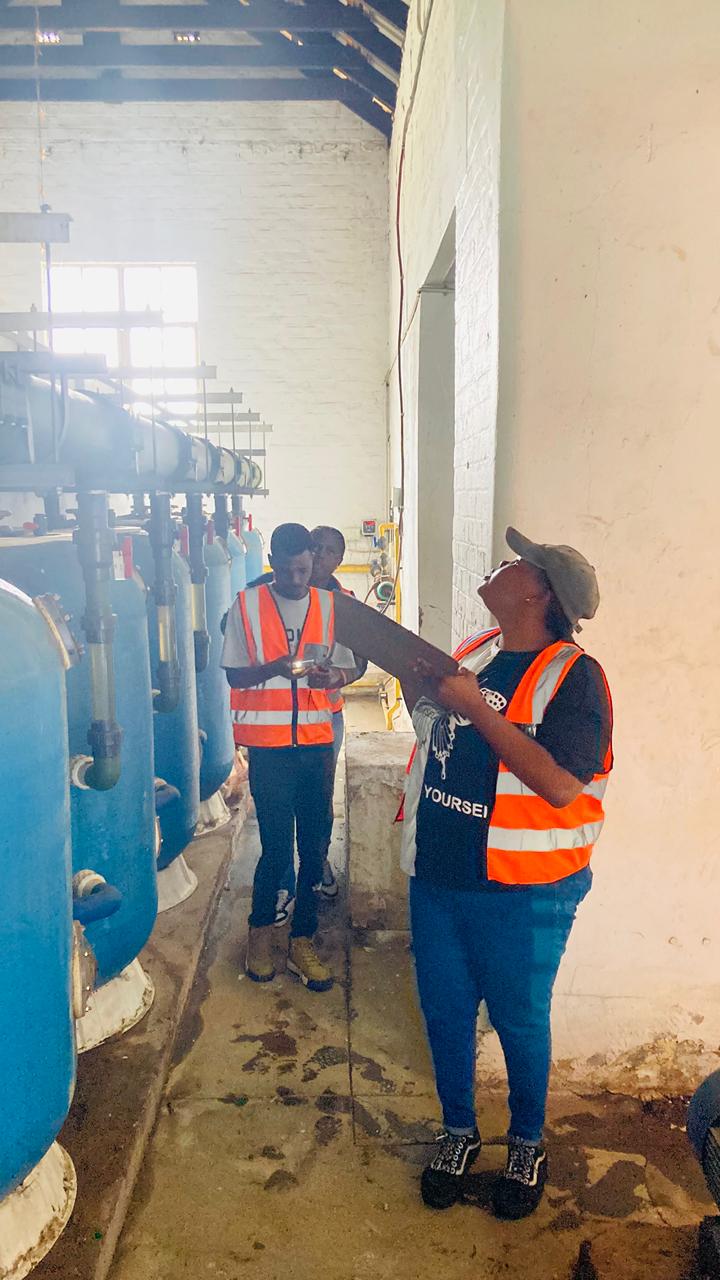
Energy audit — motor system inspection
What We Deliver

Forensic Identification of Energy Loss.

Every inefficiency has a measurable origin. NegaWatt energy audits identify equipment-level inefficiencies, system losses, and operational variances — delivering outputs that include energy consumption breakdowns, efficiency ratios, and financial impact analysis.

Audits are conducted in accordance with SANS 50010 and structured across three precision levels, from rapid opportunity mapping to investment-grade financial modelling. Each engagement begins with measured data — never assumptions.

  • Equipment-level inefficiency identification
  • Energy consumption breakdowns by system
  • Efficiency ratios and loss quantification
  • Financial impact and savings potential analysis
  • Prioritised implementation recommendations
  • ROI projections and payback period analysis

Request an Energy Audit
Audit Precision

Three Levels of Audit Precision

Select the level of precision appropriate to your objective — from rapid opportunity screening to the full financial rigour required for capital investment decisions.

Level 01

Walk-Through Audit

High-level identification of primary inefficiencies. Rapid assessment for initial opportunity mapping and priority ranking. Ideal as the first step before a deeper diagnostic engagement.

Deliverables

  • High-level inefficiency report
  • Opportunity priority ranking
  • Recommended next steps
Level 02
Most Common

Detailed Diagnostic Audit

Equipment and system-level analysis. Full variance identification with quantified energy consumption breakdown and efficiency ratios. The standard for operational decision-making and performance improvement programmes.

Deliverables

  • Energy consumption breakdown by system
  • Efficiency ratios and loss quantification
  • Financial impact analysis
  • Prioritised implementation plan
Level 03

Investment-Grade Audit

Financial modelling, ROI projections, and implementation planning. The standard for capital investment decisions and energy financing. Outputs are structured for institutional stakeholders and lenders.

Deliverables

  • Full financial modelling and ROI projections
  • Capital investment decision support
  • Energy financing documentation
  • Implementation roadmap with milestones
How We Work

The Audit Methodology

Every NegaWatt audit follows a structured eight-stage process — from planning through to closing — ensuring no data gap is left unquantified.

01

Energy Audit Planning

Scope definition, team briefing, access requirements, and measurement strategy.

02

Opening Meeting

Alignment with facility management. Review of existing energy data, bills, and system documentation.

03

Data Collection

Historical consumption data, equipment specifications, operational schedules, and tariff structures.

04

Measurement Plan

Identification of key measurement points. Instrumentation selection and calibration protocol.

05

Site Visit

Physical inspection and live instrumented measurement of all energy-consuming systems.

06

Analysis

Forensic analysis of measured data. Loss quantification, variance identification, and baseline modelling.

07

Audit Report

Comprehensive written report with findings, quantified savings opportunities, and ranked recommendations.

08

Closing

Findings presentation to management. Implementation planning and next-step alignment.

System Specialisation

Where We Find the Losses.

NegaWatt specialises in the forensic analysis of energy-intensive industrial systems — where the greatest losses, and greatest recoveries, occur. Each system audit delivers measured loss data before any intervention is recommended.

Principle: Every engagement begins with measured baseline performance data, followed by forensic diagnostic analysis to identify loss points, inefficiency ratios, and financial leakage — before any intervention is recommended.

Steam Systems

Trap losses, distribution inefficiencies, condensate recovery

Pumping Systems

Oversizing, throttling losses, variable demand optimisation

💨
Compressed Air

Leakage quantification, pressure management, demand profiling

Chiller Systems

COP measurement, fouling impact, sequencing efficiency

Motor & Fan Systems

Load profiling, drive efficiency, speed optimisation opportunities

Applications

Who Benefits from an Energy Audit?

An energy audit is the right first step for any operation where energy is a significant cost and efficiency is not yet measured.

Commercial Buildings

Office parks, retail centres, and hotels carrying high HVAC, lighting, and tenant load costs seeking to reduce operating expenditure.

Industrial Operations

Manufacturing, processing, and logistics facilities with energy-intensive motor, steam, compressed air, or chiller systems.

EPC Follow-Through

Buildings that have received an EPC and need to understand how to improve their rating and reduce measured energy consumption.

Capital Investment Planning

Organisations planning equipment replacement or energy efficiency upgrades who require investment-grade financial justification.

Sustainability Reporting

Companies needing verified energy data for GHG reporting, ESG disclosures, or ISO 50001 Energy Management System implementation.

Any Operation Paying High Energy Bills

If energy is a significant cost line and efficiency is unmeasured, recoverable losses exist. An audit quantifies exactly what is recoverable.

Other Services

EPC

Service 01 · Regulatory Compliance

Energy Performance Certificates

Certified A–G rated EPC assessments under SANS 1544:2014 for qualifying buildings.

Explore →
Energy Management

Service 03 · Strategic Optimisation

Energy Management

ISO 50001-aligned Energy Management Systems with continuous performance calibration.

Explore →
Carbon Accounting

Service 04 · Carbon Accounting

Carbon Accounting (GHG & ESG)

Scope 1, 2 & 3 GHG audits, CBAM advisory, and investor-ready ESG reporting.

Explore →

Every inefficiency has a measurable origin.

Find Yours. Quantify It. Recover It.